“Home help” and “personal care” get used interchangeably in conversation, but in England they are legally different things, provided under different rules, often at different prices. Knowing which one you actually need makes every later decision easier: which providers to consider, what checks apply, and what you should expect to pay.
At a glance:
- Personal care means hands-on intimate support: washing, dressing, toileting and similar tasks.
- Home help covers housework, shopping, meals, errands and companionship; no intimate physical care.
- Only personal care providers must register with the CQC; home-help-only services sit outside regulation by law.
- Many people need home help long before they need personal care, and starting early can delay heavier needs.
What counts as personal care
Personal care is a legally defined “regulated activity” under the Health and Social Care Act 2008. In plain English, it means intimate, hands-on support for someone who can’t manage it themselves because of age, illness or disability: help with washing and bathing, dressing, using the toilet, continence, and eating where someone can’t feed themselves. Any provider delivering it must be registered and inspected by the Care Quality Commission, and delivering it without registration is a criminal offence.
What home help covers
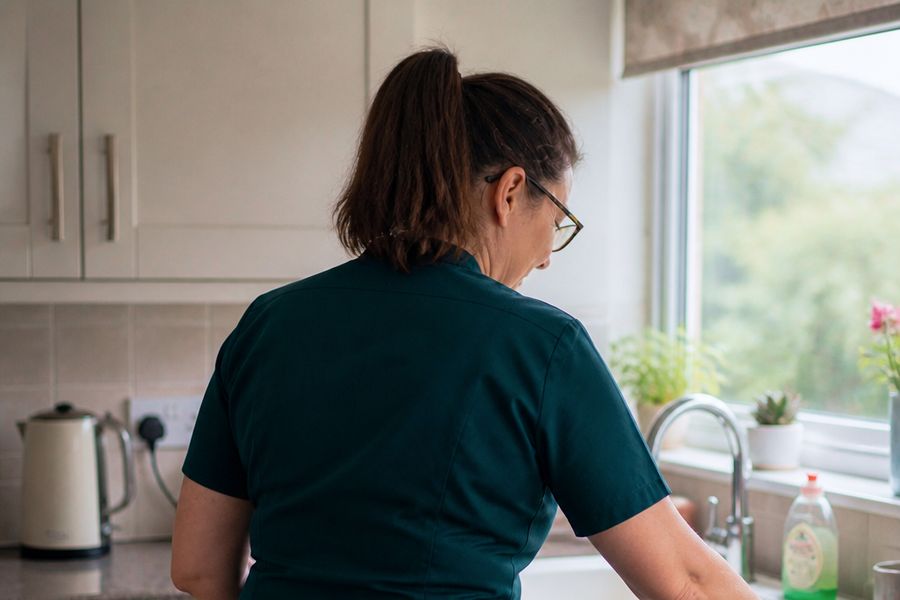
Home help (sometimes called domestic support or help at home) is everything that keeps daily life running without crossing into intimate care: cleaning, laundry and changing beds; shopping and errands; preparing meals; accompaniment to appointments and outings; and companionship. The CQC’s own registration guidance is explicit that providers offering only this kind of social and domestic support, with no tasks from the personal care definition, do not need to register. The quality test for these services is therefore the provider themselves: how they vet, train, insure and employ their staff.
Why the difference matters to you
Three practical reasons. First, it tells you which checks to run: a CQC report for personal care, and direct questions about vetting and staffing for home help (our guide to choosing a home care provider covers both). Second, it affects price: home help is generally cheaper than regulated personal care because the training, supervision and compliance overheads are lower. Third, it shapes the conversation with the council: a care needs assessment will identify which category your needs fall into, and support with daily tasks can be exactly what an assessment recommends.
Which one do you need?
A useful rule of thumb: if the struggle is with the house and the week (cleaning, cooking, shopping, getting out, having company), home help fits. If the struggle is with the body (washing, dressing, toileting, medication), that’s personal care and you need a CQC-registered provider. Many people sit in the first category for years, and good home help can keep them there longer: eating properly, staying active and staying connected all delay heavier needs. Needs do evolve, though, so whoever you choose should be honest about where their service stops.
That honesty is something we hold ourselves to. Oakma currently provides companionship and home-help services across Telford, Wrekin and parts of Shropshire; we don’t provide personal care, and if your needs include it, we’ll say so plainly and help you find a registered provider who fits. If home help is what’s needed, we’d love to talk: get in touch or call us on 01952 288 216.
Terry Yarnall leads care at Oakma, a Telford-based home care company built around employed, well-paid local carers. Terry has spent 30 years in social care, including managing domiciliary care services across Shropshire and Staffordshire and taking part in a CQC sandbox on registering new models of care.